
A Complete Guide to Bird Spots on Amami Oshima Island: Where, When, and Tips for Spotting Rufous Jays and Red-winged Stints
Amami Oshima Island is the best place for bird watching.
Why is it called a holy place?
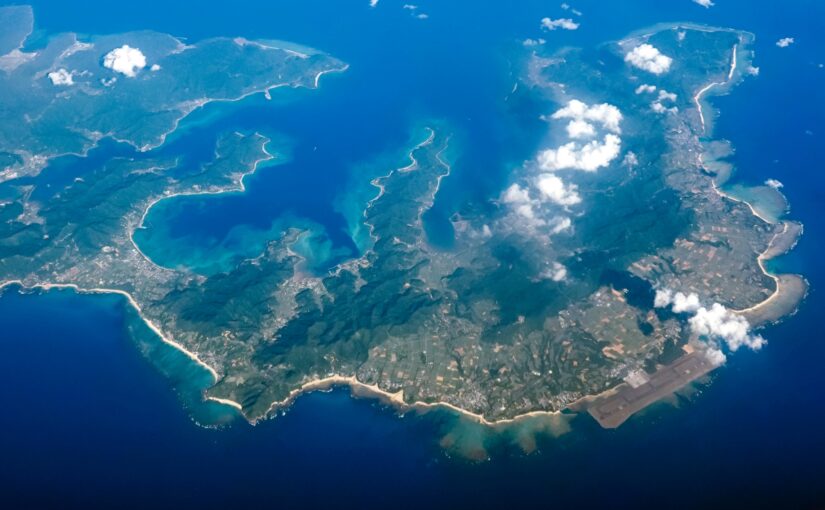
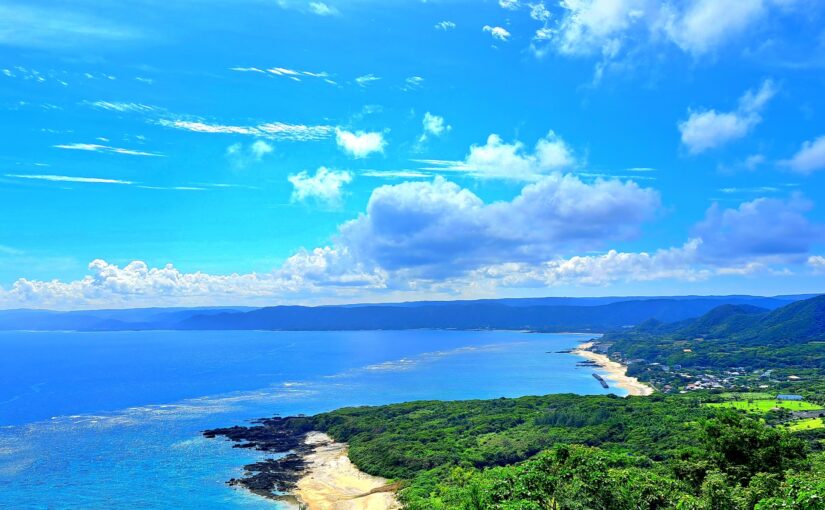
Amami Oshima Island is located roughly halfway between Kagoshima and Okinawa Prefectures,Registered as a World Natural Heritage site in 2021The fact that the first time the company's products have been used in a restaurant has attracted attention both domestically and internationally.
Birdwatchers are especially fond of this rich natural environment, calling it "one of the best places in Japan for bird watching.
This article introduces typical wild birds that can be seen on Amami Oshima, recommended bird watching spots, the best time of year for bird watching, and tips for observation.
◆ Those who wish to see Amami's endemic species such as Lidth's jays and red-breasted jays.
◆For those who want to know the recommended bird spots in Amami Oshima
◆For those who want to know the best time for bird watching and tips for observation.
Click here for our popular birdwatching tours↓
Bird species and characteristics that can be found on Amami Oshima Island
The greatest attraction of the birds on Amami Oshima is the abundance of endemic species and subspecies that can only be seen here.
Many rare birds are designated as natural monuments,Highly regarded worldwide as a bird watching destinationThe company has obtained
Here are some of the most popular representative species.
Including the Blue-eared Pheasant!
Click here to learn more about the wildlife of Amami Ōshima↓
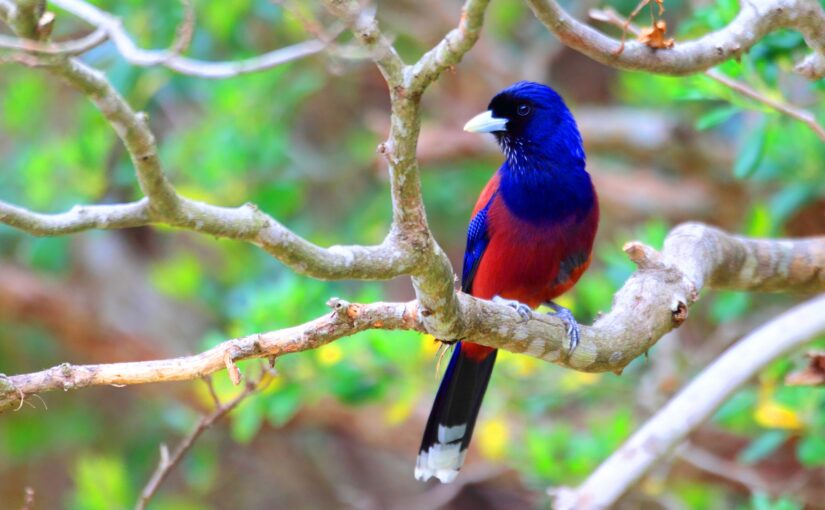
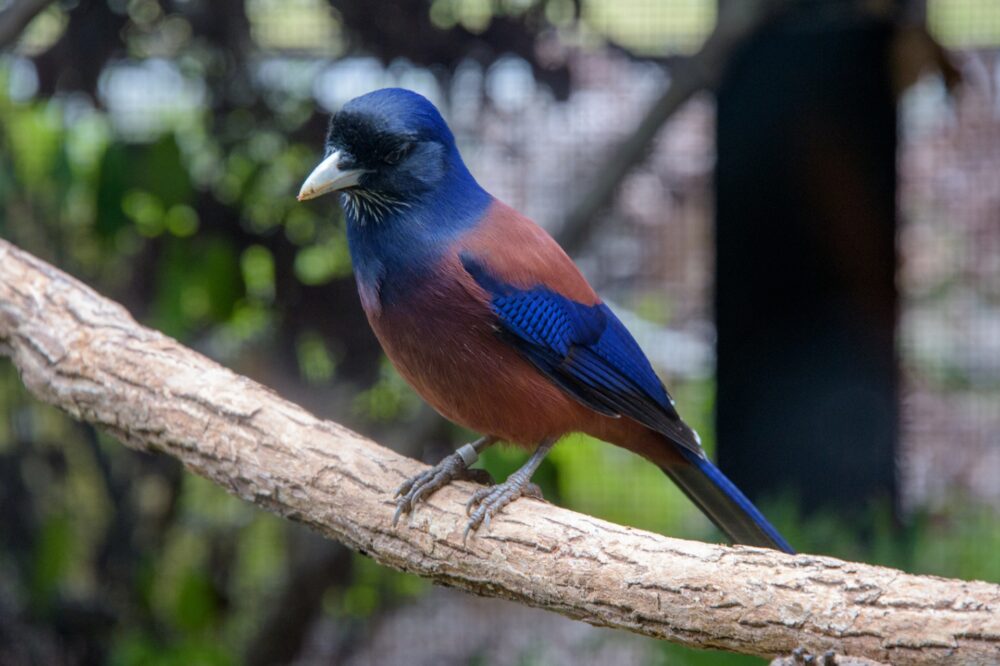
Lidth's jay (Garrulus lidthi)
Kagoshima Prefecture's prefectural bird that lives only on Amami Oshima Island.
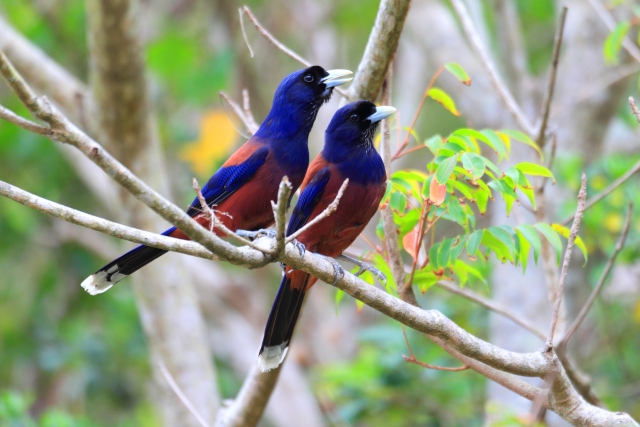
One of the birds that birdwatchers visiting Amami Oshima most want to see is the Rurikake Jay.
Endemic only to Amami Oshima, Kakaroma Island, and Hitoto Island, it is designated as a national natural treasure and is the prefectural bird of Kagoshima Prefecture.
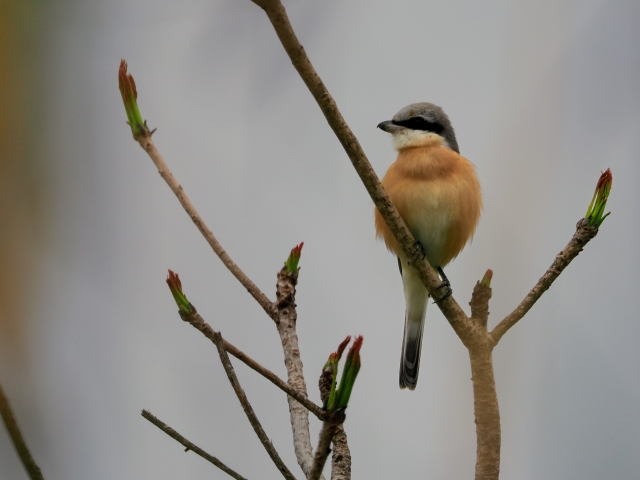
person with a red beard
A natural treasure whose beautiful voice echoes through the forest
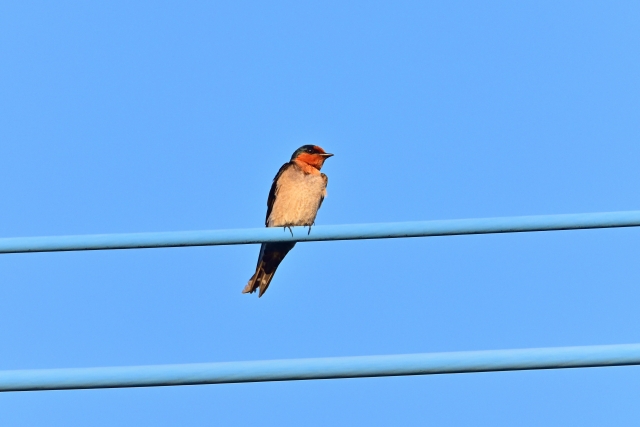
The redbeard is a Japanese endemic species found mainly on Tanegashima and the Amami Islands.
It is also designated as a national natural monument and is home to the well-known endemic subspecies "Auston's Redbeard" on Amami Oshima.
This bird is relatively easy to encounter when walking along forest paths in the Amami Nature Observation Forest and the Kanasakubara Primeval Forest, as well as in other forests.
Auston-backed woodpecker (Dendrocopos leucotos)
Rare endemic species marked by drumming.
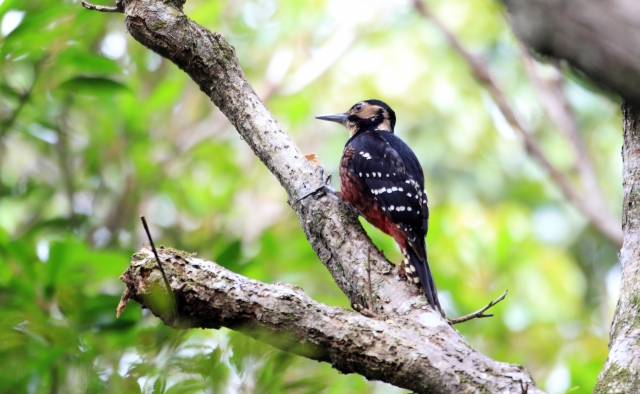
A member of the woodpecker family found only on Amami Oshima Island, it is designated as a national natural monument.
They are about 30 cm long and have bright red plumage on their heads.
The most distinctive feature is the "drumming" sound, which is made by poking a tree and making it sound like a kon-kon. If you hear this sound in the forest, look carefully in the direction of the sound!
Ootora thrush (Turdus viscivorus)
You'll be lucky if you can hear them at dawn.
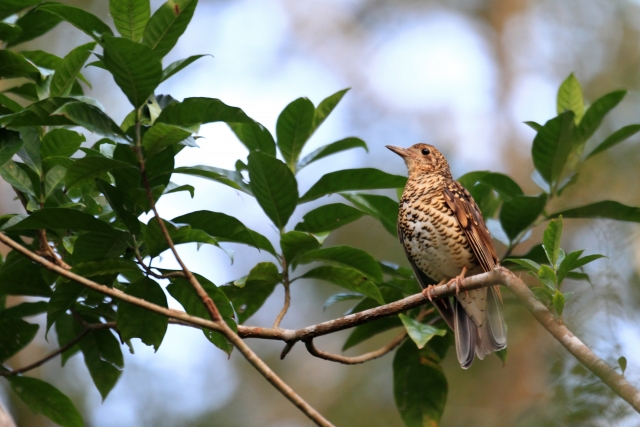
The Otoratsugumi is an endemic species found only on Amami Oshima and Kakaroma Island, and is designated as a national natural treasure.
It gets its name from the tiger-like stripes on its body. It is considered to be very wary and difficult to see, and birdwatchers call it a "phantom bird.
Recommended Bird Spots on Amami Oshima Island
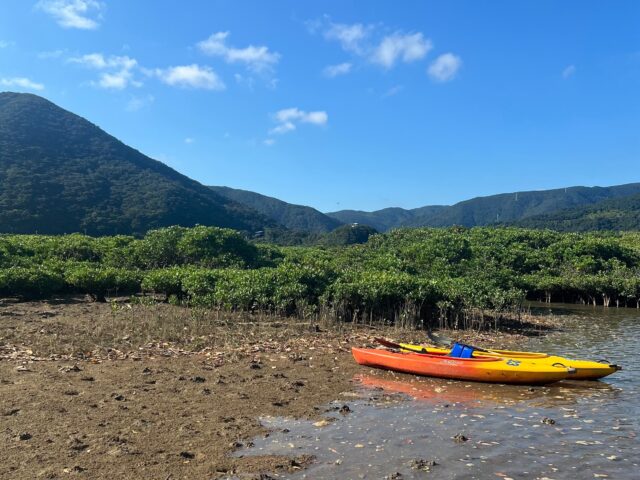
Amami Oshima Island is the second largest island after Okinawa Island and Sado Island,Bird watching spots are scattered throughout the island.I am doing it!
In order to efficiently encounter wild birds in a limited time, it is important to know the characteristics of each spot and plan your visit accordingly.
Below are some typical spots for bird watching.
Click here for our popular birdwatching tours↓
Amami Nature Observation Forest (Ryugo Town)
A classic spot for beginners.
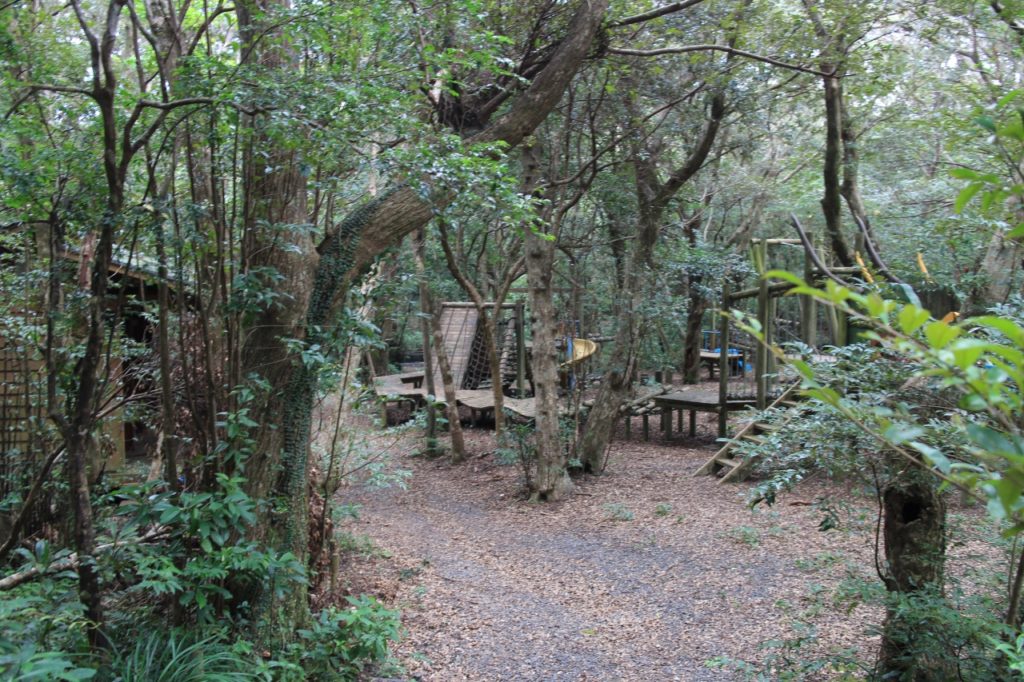
The Amami Nature Observation Forest in Ryugo Town is a classic spot popular among bird-watching beginners and experts alike.
It is so well known that bird lovers from all over the world visit the area, and it is also called the "Mecca of bird watching.
The park is well maintained, and visitors can search for birds while walking along the paved walking paths.
From the highest observation deck, "Dragon Fort,Panoramic 360-degree view of emerald green Ryugo BayYou can also enjoy
As a place where you can enjoy bird watching and a spectacular view at the same time, it has become a standard sightseeing spot on Amami Oshima. If you wish to have a guided tour of the park, you need to make a reservation in advance.
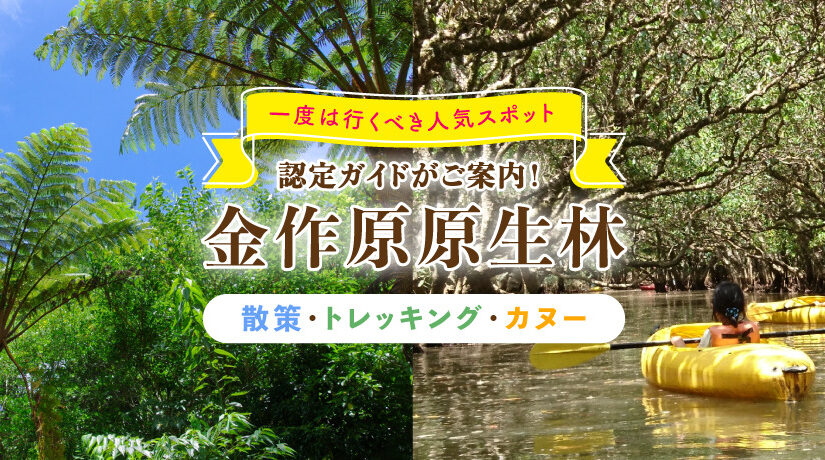
Kanasakubara virgin forest (Naze, Amami City)
Targeting endemic species in subtropical virgin forests
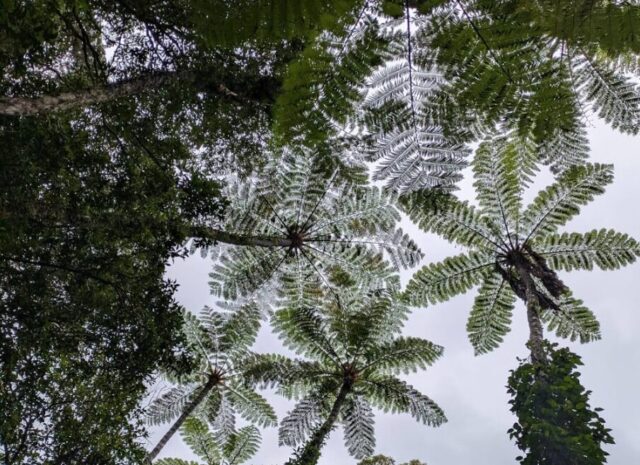
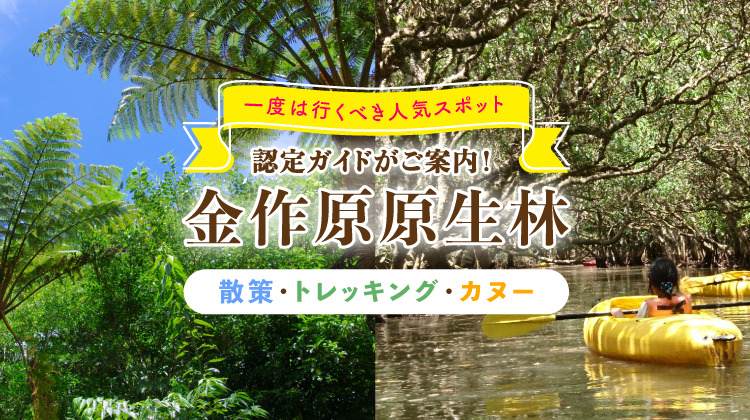
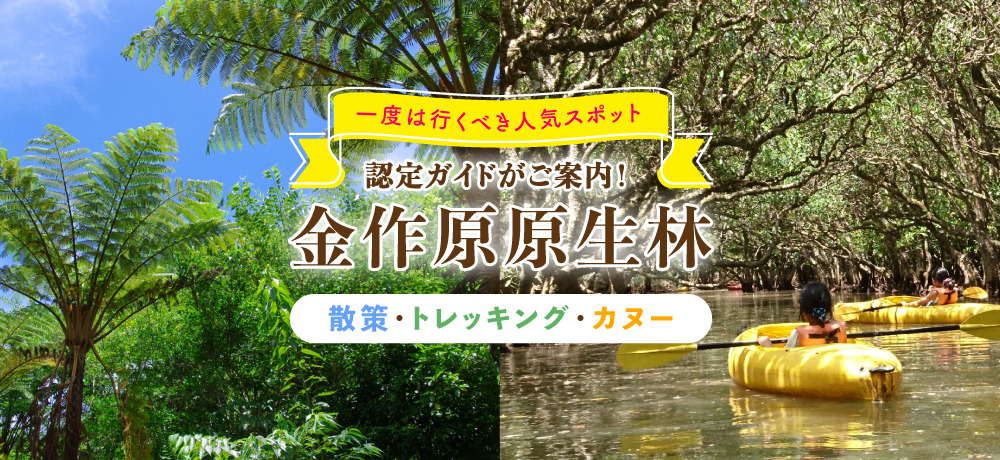
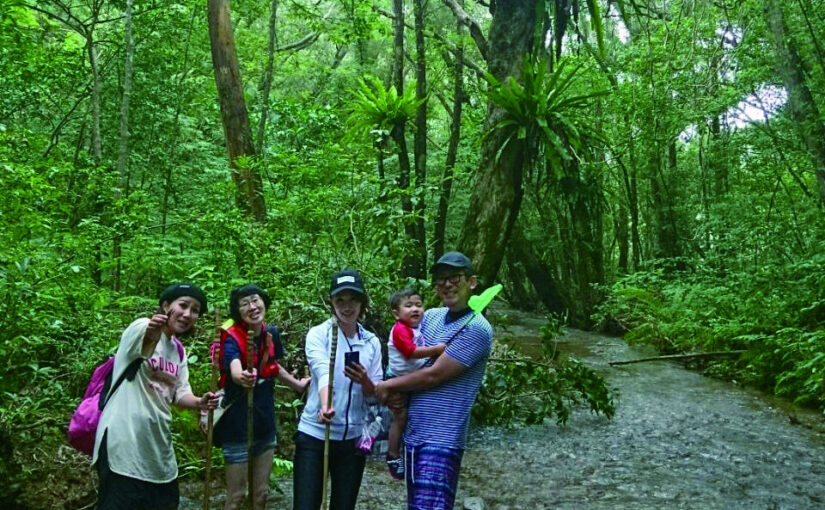
A 20-minute drive from downtown Nase will take you to the Kinsaku Genbaru Forest, a subtropical evergreen forest representing Amami-Oshima.
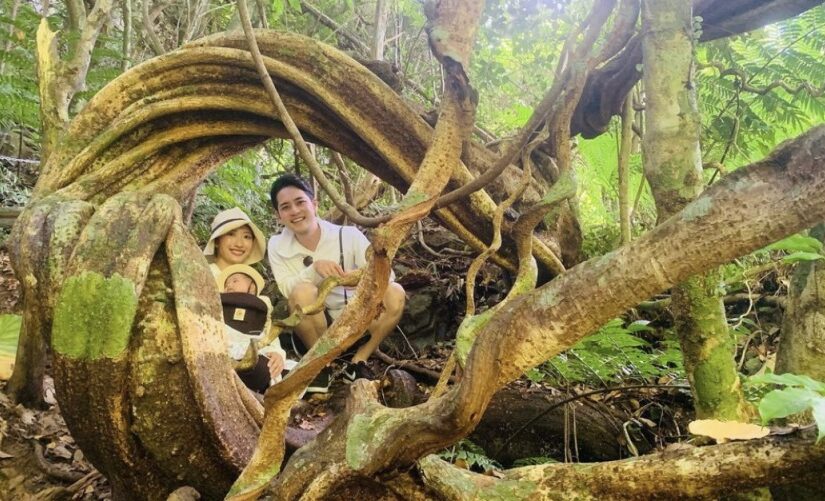
It is a fantastic space overgrown with long-standing giant ferns such as the lizard's hego, and is one of the spots that symbolize the nature of Amami.
It is a very important place in terms of bird watching, and you can enjoy searching for birds while listening to the drumming sounds of red-winged blackbirds and Austen's wagtails, as well as the calls of Lidth's jays.
Currently, participation in guided tours is recommended for environmental conservation, and it is common to enter the forest with a certified local guide.
Ose Beach (Kasari Town)
Amami's best mudflat for shorebirds and plovers
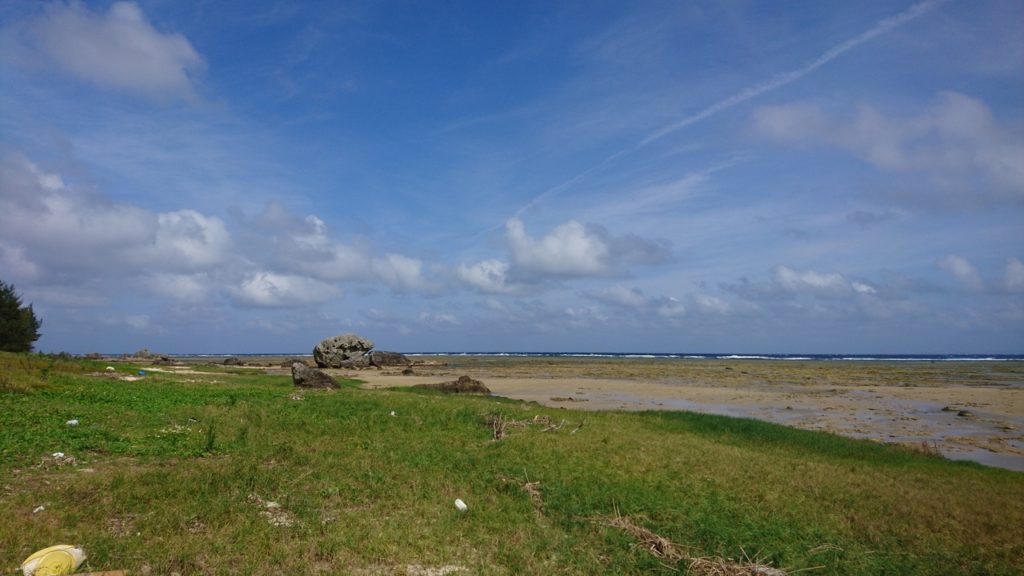
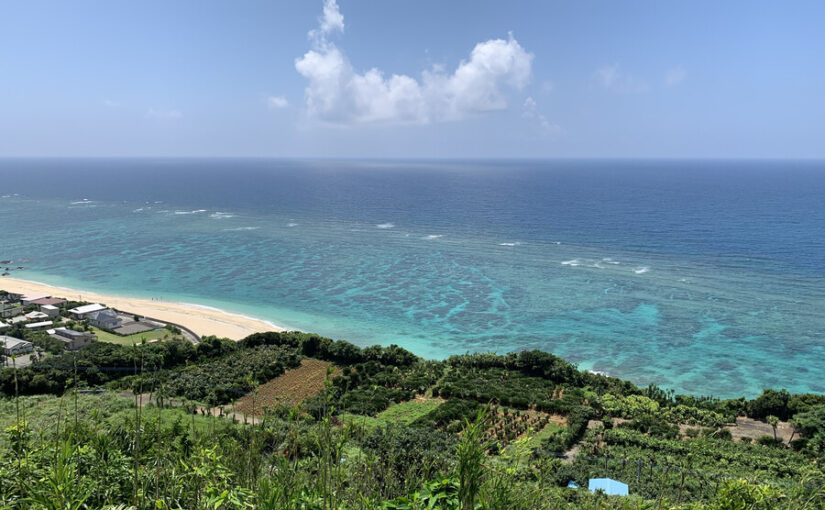
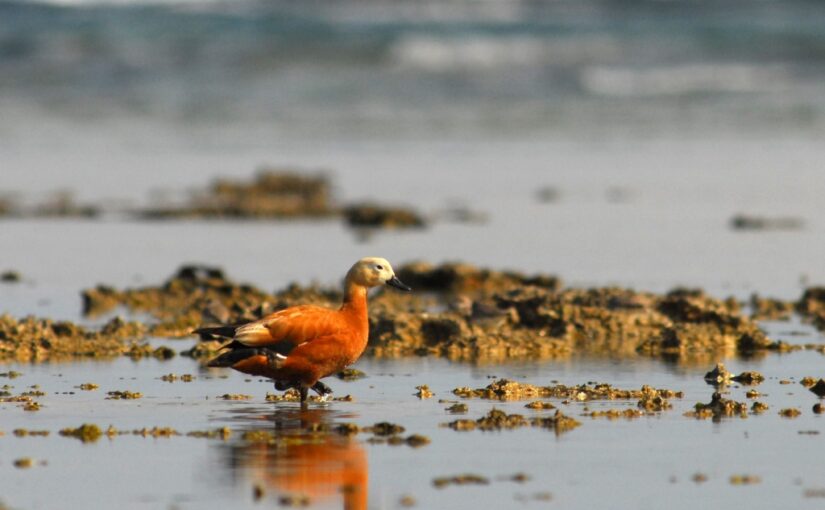
Ose Beach in Kasari Town is known as the tidal flat with the largest number of shorebirds and plovers on Amami Oshima.
The vast coral reefs and sandy mudflats are a great place to observe a variety of waterfowl foraging as the tide recedes.
During spring migration (April-May) and fall migration (August-September), many medallions, sandpipers, curlew sandpipers, and yellow-bellied sandpipers stop by.
It is also a perfect location overlooking Kikai Island, where you can enjoy bird and landscape photography at the same time.
Bird watching in Amami Oshima Island
Best time to
Amami Oshima is an island where bird watching can be enjoyed throughout the year, though,The variety of birds you can encounter changes with the seasons.
Choosing the right time of year to visit according to the purpose of your trip and the birds you want to see will lead to a fulfilling birding experience.
Click here for our popular birdwatching tours↓
Spring (March - May)
High season with migratory birds and breeding season
Spring is the highest season for bird watching on Amami Oshima.
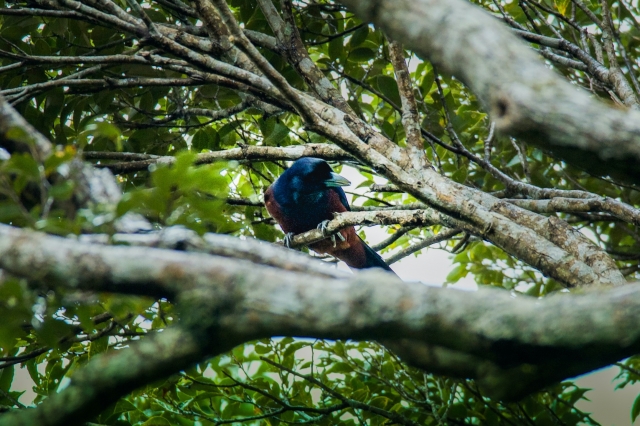
Endemic species such as Lidth's jays and red-breasted jays are actively breeding, making it easier to encounter them both in voice and sight.
Migratory birds migrating north on their spring migration stop by the island, and visitors can expect to encounter species that are not normally seen.
Summer (June-August)
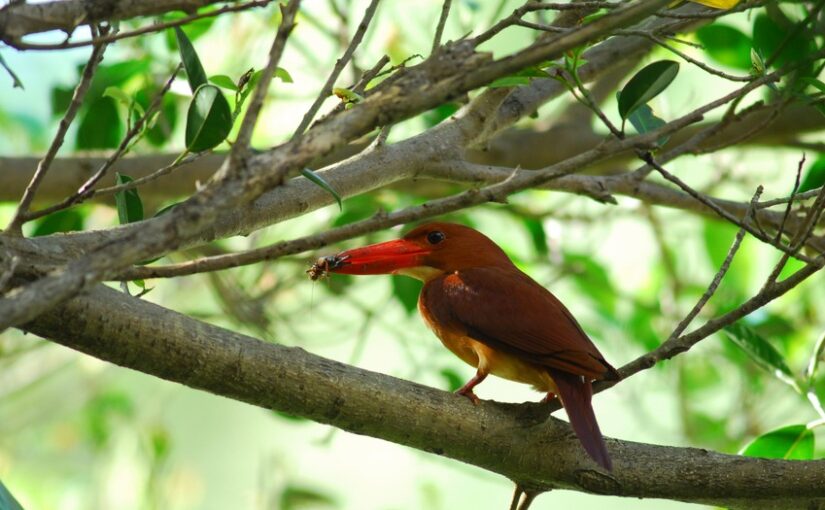
Season when the cry of the red kingfisher echoes through the forest
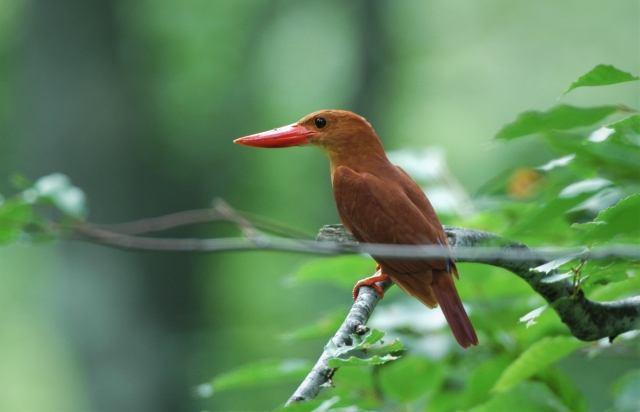
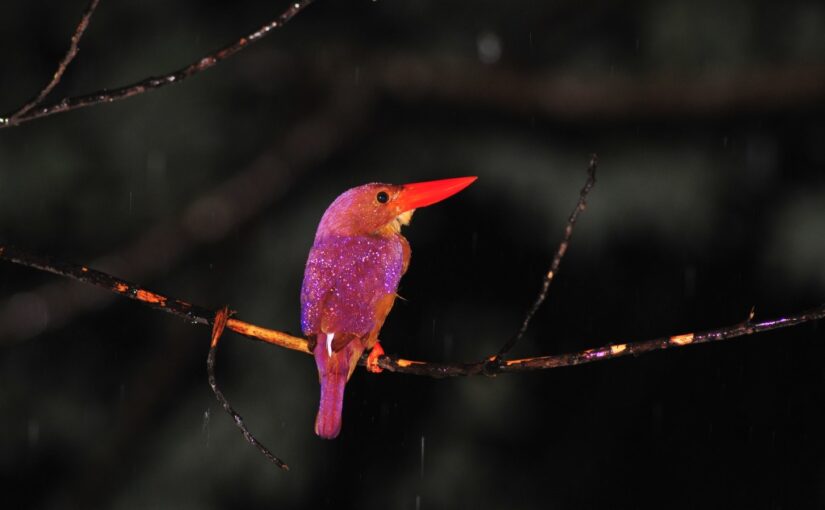
Summer is the season when the Ryukyu red kingfishers, with their distinctive "kyororororo" call, come to the island.
Its bright vermilion body and distinctive cry are familiar to locals as a symbol of summer in Amami.
In Yamato Village and other areas, it can be seen along prefectural roads and is a relatively easy summer bird to encounter.
On the other hand, summer requires high temperatures and humidity, and observation requires stamina.
It is recommended to take all possible measures against heat stroke and to explore the birds in the cooler early morning hours.
Autumn (September to November)
Autumn migration when many shorebirds and plovers are seen
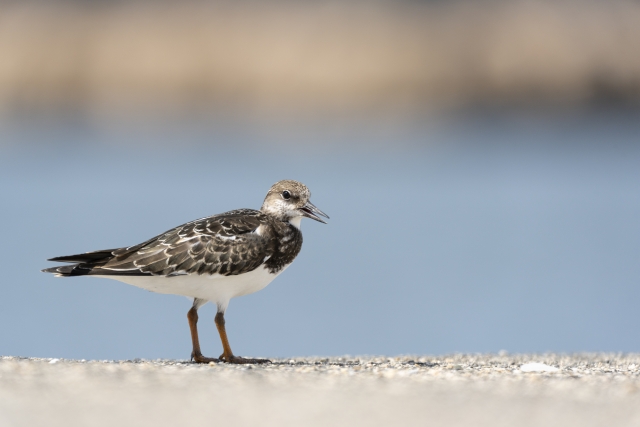
Autumn is the season when migratory birds stop by Amami Oshima on their way south. Shorebirds and plovers can be seen in abundance on tidal flats such as Ose Beach, increasing the diversity of species.
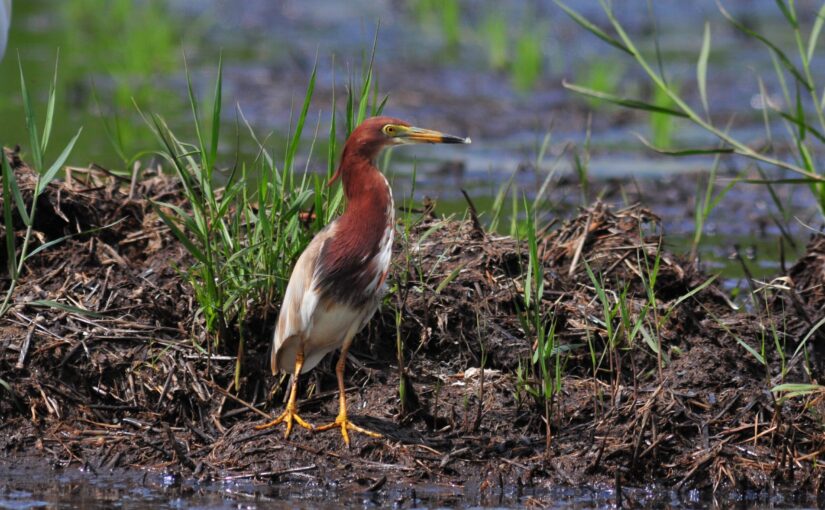
This is also the time of year when the first of the winter birds begin to arrive, while the red-crowned night-herons, which migrate to the island as summer birds, leave the island.
After November, when the weather begins to calm down, the observation environment is more favorable and bird watching can be done in relative comfort.
For those who wish to enjoy mainly the migration of snipe and plover, September and October are particularly spectacular.
Winter (December to February)
Holey season to observe wintering birds
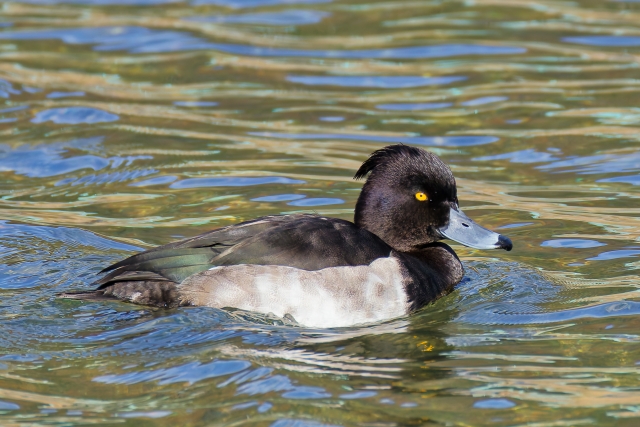
Winter is a good time to visit as fewer tourists come and you can concentrate on bird watching in a quiet environment.
Winter birds that have come to avoid the harsh winters on the mainland can be observed in many places.
At the dam around the Amami Nature Observation Forest, ducks such as the white-winged teal can be seen floating on the surface of the water.
We recommend a visit in winter for those who wish to avoid crowds and enjoy a relaxing birdwatching experience.
Bird watching in Amami Oshima Island
Tips for having fun

Birds are abundant on Amami Oshima, but they are wild creatures with whom we are dealing,A little ingenuity can make a big difference in your chances of meeting someone.
The following tips will enhance your birding experience.
◆Countermeasures against hubs to be taken when observing at night
◆The advantages of using local guides and tours
For bird watching in Amami Oshima
Required personal belongings and precautions
In order to comfortably enjoy bird watching on Amami Oshima Island, it is important to have the appropriate equipment!
Also,Don't forget to take care of wild birds and the natural environment.to the
What to Pack for a Trip to Amami Oshima ↓
Must-have items such as binoculars, camera, illustrated books, etc.

Binoculars with magnifications of 8x to 10x are indispensable for bird watching, and those with magnifications of 8x to 10x are recommended because they are versatile and easy for beginners to handle!
Choose the brightest lens possible to clearly see wild birds in distant trees and bushes.
If you want to take bird photos, an SLR or mirrorless camera with a telephoto lens is effective.
Bird watching etiquette and consideration for environmental conservation

Consideration for living creatures and the natural environment is essential to the enjoyment of bird watching!
Amami Oshima is also a World Natural Heritage site, so good manners are especially required.
First, do not get too close to nesting birds or shout too loudly. Excessive proximity during the breeding season can lead to abandonment of broods and negative effects on chicks.
Bird watching spots on Amami Oshima Island
Frequently Asked Questions (FAQ)
It can be enjoyed throughout the year, but especiallyOctober - MarchThe best time to visit is during the winter season. During this season, many migratory birds arrive, and it is easy to observe endemic species such as the Amami Yamashigi and the Lidth's Jay. Summer (May-August) is the breeding season for the red-crowned nightjar, with its bright red form and beautiful song.
Prepare the following items for comfortable observation.
- binoculars(About 8 x 42x is recommended)
- Field Guide(Illustrated book corresponding to Kyushu and Nansei Islands)
- Long sleeves and long pants(Required for insect and hub control)
- Silent clothing(Avoid flashy colors so as not to startle the birds.)
- insect repellent spray(Especially a must have from summer to fall)
- flashlight(During observation of the nocturnal Amami Yamashigi)
Since Amami Oshima Island is also a World Natural Heritage Area, it is important to observe the following manners.
- Feeding is strictly prohibited.(to prevent adverse effects on the ecosystem)
- Stay away from nests and chicks.
- Playback of recorded chirps to avoid attracting birds(To stress)
- Do not deviate from designated trails and forest roads
- Be cautious when entering grassy areas as they are inhabited by habu
It is important for each observer to be aware of the importance of preserving the natural environment for future generations.
summary
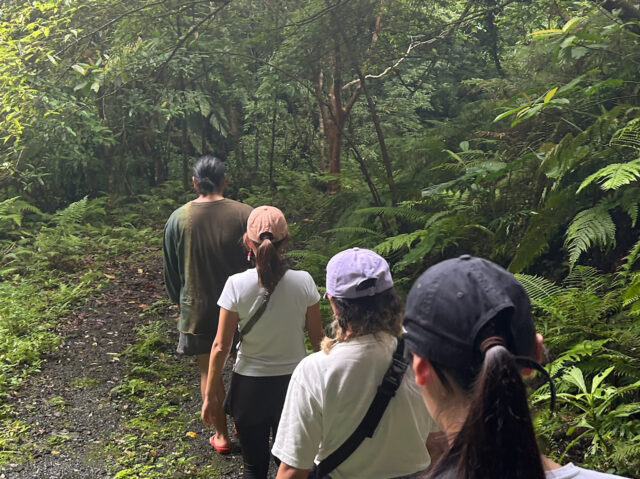
Amami Oshima is one of the best birding spots in Japan, with many endemic species that can only be found here, such as the Rurikake Jay, Red-Breasted Jay, Auston's Giant Red-Breasted Nuthatch, and White-throated Thrush.
The diverse environments of forests, tidal flats, rice paddies, and agricultural lands are concentrated in the subtropical nature, and a different face of birds can be seen in each season.
Please enjoy bird watching unique to Amami Oshima to your heart's content, while being well-equipped with binoculars and insect repellant, and observing good manners and being careful of habu (habu).
↓Click here to read the article.